
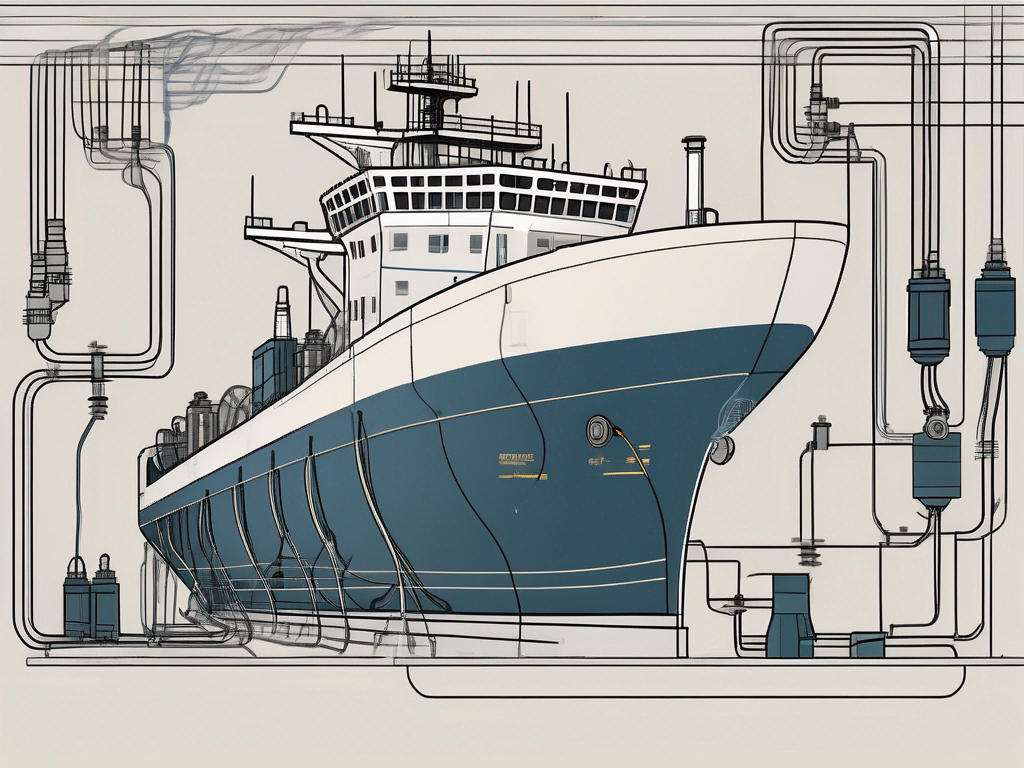
Welcome to the fascinating world of marine electrical engineering! This is a specialized field within the broader discipline of electrical engineering, focusing on the design, development, and maintenance of electrical systems for marine applications. This includes everything from the electrical systems on large ocean-going vessels to underwater communication systems and more.
Marine electrical engineers play a crucial role in the maritime industry, ensuring the safe and efficient operation of electrical systems on ships and other marine vessels. They are responsible for designing, installing, and maintaining these systems, as well as troubleshooting any issues that may arise. This article will delve into the depths of this exciting career, providing a comprehensive overview of what marine electrical engineering entails.
Role and Responsibilities of a Marine Electrical Engineer
Marine electrical engineers are responsible for a wide range of tasks related to the design, installation, and maintenance of electrical systems on marine vessels. This includes everything from designing the electrical layout of a new ship to troubleshooting issues with existing systems.

They may also be involved in the development of new technologies for marine applications, such as advanced navigation systems or energy-efficient power systems. In addition, marine electrical engineers often work closely with other professionals in the maritime industry, such as naval architects and marine mechanics, to ensure the overall safety and efficiency of the vessel.
Design and Development
One of the primary responsibilities of a marine electrical engineer is the design and development of electrical systems for marine vessels. This involves creating detailed plans for the electrical layout of the ship, including the placement of electrical equipment, wiring, and power sources.
Marine electrical engineers must also consider the unique challenges posed by the marine environment, such as saltwater corrosion, high humidity, and extreme weather conditions. This requires a deep understanding of electrical engineering principles, as well as specialized knowledge of marine systems and materials.
Maintenance and Troubleshooting
Another key responsibility of a marine electrical engineer is the maintenance and troubleshooting of electrical systems on marine vessels. This includes regular inspections to ensure that all components are functioning properly, as well as diagnosing and repairing any issues that may arise.
Marine electrical engineers must be skilled at problem-solving and have a strong attention to detail, as even minor issues can have serious consequences in a marine environment. They must also be familiar with a wide range of electrical equipment and systems, as they may be called upon to work on everything from lighting and communication systems to power generation and distribution systems.
Education and Training Requirements
Becoming a marine electrical engineer requires a strong educational background in electrical engineering, as well as specialized training in marine systems. This typically involves earning a bachelor’s degree in electrical engineering, followed by additional coursework or a master’s degree in marine engineering.

In addition to formal education, aspiring marine electrical engineers must also gain practical experience through internships or entry-level positions in the maritime industry. This hands-on experience is crucial for developing the skills and knowledge needed to succeed in this challenging and rewarding field.
Bachelor’s Degree in Electrical Engineering
The first step towards becoming a marine electrical engineer is to earn a bachelor’s degree in electrical engineering. This program provides a solid foundation in the principles of electrical engineering, including circuit theory, digital systems, and electromagnetics.
Students will also take courses in mathematics, physics, and computer science, which are all crucial for understanding and applying electrical engineering concepts. In addition, many programs offer electives in marine engineering or related fields, allowing students to begin specializing in this area.
Master’s Degree in Marine Engineering
After earning a bachelor’s degree, many aspiring marine electrical engineers choose to pursue a master’s degree in marine engineering. This program provides advanced training in the design, development, and maintenance of marine systems, with a particular focus on electrical systems.
Students will learn about the unique challenges posed by the marine environment, as well as the latest technologies and materials used in marine electrical systems. They will also have the opportunity to gain practical experience through internships or research projects in the maritime industry.
Career Prospects and Opportunities
The demand for marine electrical engineers is strong and expected to grow in the coming years, driven by the increasing complexity of electrical systems on marine vessels and the ongoing need for maintenance and repairs. This makes marine electrical engineering a promising career choice for those with the right skills and qualifications.
Marine electrical engineers can find employment in a variety of settings, from shipbuilding companies and maritime consulting firms to government agencies and research institutions. They may also have the opportunity to work on exciting projects around the world, from designing new ships to improving underwater communication systems.
Shipbuilding and Repair
One of the main employers of marine electrical engineers is the shipbuilding and repair industry. These engineers are involved in all stages of the shipbuilding process, from the initial design of the electrical system to the final installation and testing.
They may also be responsible for maintaining and repairing electrical systems on existing vessels, which can involve troubleshooting complex issues and implementing solutions under tight deadlines. This work requires a high level of technical skill, as well as the ability to work effectively in a team and communicate clearly with other professionals.
Maritime Consulting and Design
Another potential career path for marine electrical engineers is in maritime consulting and design. These engineers work with clients to design custom electrical systems for marine vessels, taking into account the specific needs and constraints of each project.
They may also provide consulting services to help clients improve the efficiency and safety of their existing systems. This work requires a deep understanding of marine electrical systems, as well as strong problem-solving skills and the ability to communicate complex technical concepts to non-experts.
Conclusion
Marine electrical engineering is a challenging and rewarding field that offers a variety of career opportunities for those with the right skills and qualifications. From designing new ships to maintaining and repairing existing vessels, these engineers play a crucial role in the maritime industry.

Whether you’re an aspiring engineer looking to specialize in this area or a seasoned professional seeking to expand your knowledge, we hope this article has provided a comprehensive overview of what marine electrical engineering entails. With the right education and training, you too can embark on a career in this exciting field!