
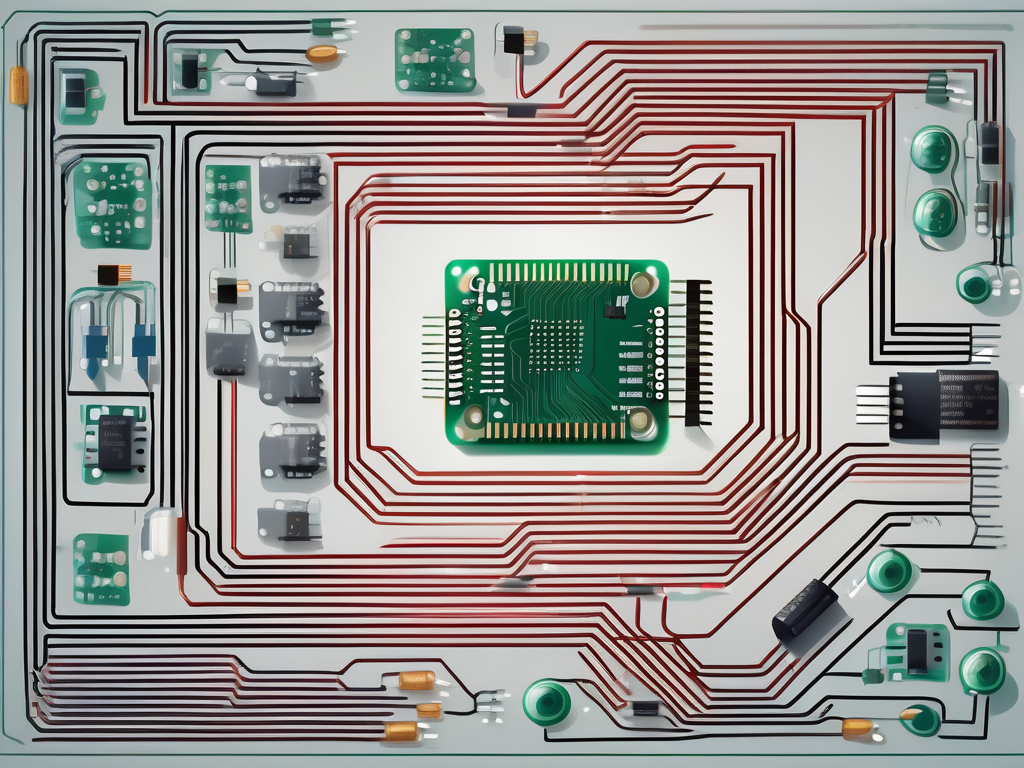
The role of an Integrated Circuit (IC) Designer is a critical one in the field of electrical engineering. This job involves the design and development of integrated circuits, which are a set of electronic circuits on one small flat piece, or chip, of semiconductor material, normally silicon. The IC Designer is responsible for creating these complex circuits that are used in a variety of electronic devices.
As an IC Designer, you’ll be at the forefront of technological innovation, creating the tiny, complex circuits that power everything from smartphones to satellites. This is a challenging and rewarding career path for those with a passion for electronics and a desire to shape the future of technology.
Education and Skills Required
Getting into the field of IC design requires a strong educational background in electrical engineering or a related field. A bachelor’s degree is typically the minimum requirement, but many employers prefer candidates with a master’s degree or higher. This is due to the highly technical nature of the work, which requires a deep understanding of electronic circuits, digital design, and semiconductor devices.
Aside from the educational requirements, there are several key skills that an IC Designer must possess. These include strong analytical skills, attention to detail, and problem-solving abilities. Additionally, IC Designers must be proficient in using design software, such as Cadence and Synopsys, and have a solid understanding of Very Large Scale Integration (VLSI) processes.
Further Education
While a bachelor’s degree can get you started in the field, a master’s degree or PhD in electrical engineering or a related field can open up more opportunities and lead to higher-paying positions. These advanced degrees typically involve more in-depth study of IC design and related topics, and may also involve research and development work.
Many universities offer specialized programs in IC design, which can provide you with the advanced skills and knowledge needed to excel in this field. These programs typically cover topics such as advanced VLSI design, digital signal processing, and semiconductor device physics.
Continuing Professional Development
IC design is a rapidly evolving field, and it’s important for professionals in this area to keep their skills and knowledge up to date. This can be achieved through continuing professional development (CPD) activities, such as attending industry conferences, participating in workshops, and completing additional training courses.
Many professional organizations, such as the Institute of Electrical and Electronics Engineers (IEEE), offer resources and opportunities for CPD. Joining these organizations can also provide networking opportunities and access to the latest industry news and research.
Roles and Responsibilities
The primary role of an IC Designer is to design and develop integrated circuits. This involves creating a circuit layout, testing the design to ensure it works as intended, and making adjustments as necessary. The IC Designer must also consider factors such as power consumption, performance, and cost when creating their designs.

IC Designers often work as part of a team, collaborating with other engineers and professionals to develop new products or improve existing ones. They may also work closely with manufacturing teams to ensure that their designs can be produced efficiently and cost-effectively.
Design and Development
The design and development process for integrated circuits is complex and requires a high level of technical knowledge. IC Designers must understand the principles of electronic circuit design, as well as the properties of semiconductor materials. They must also be proficient in using design software to create detailed circuit layouts.
Once a design is complete, the IC Designer will test it to ensure it functions correctly. This may involve creating a prototype and conducting various tests to measure the circuit’s performance, power consumption, and other characteristics. If the design does not meet the required specifications, the IC Designer will need to identify the problem and make the necessary adjustments.
Collaboration and Communication
IC Designers often work as part of a team, and effective communication is a key part of this role. They must be able to clearly explain their designs and ideas to other team members, as well as to clients and stakeholders. They may also need to write detailed reports and documentation on their designs.
Collaboration is also an important aspect of the job. IC Designers may work closely with other engineers, such as hardware engineers and software engineers, to develop new products. They may also collaborate with manufacturing teams to ensure that their designs can be produced efficiently and cost-effectively.
Career Prospects
The demand for IC Designers is expected to grow in the coming years, driven by the increasing use of electronic devices in various sectors, including consumer electronics, automotive, and telecommunications. This growth is expected to create new job opportunities for qualified professionals in this field.

With experience, IC Designers can move into more senior roles, such as lead designer or project manager. They may also choose to specialize in a particular area of IC design, such as analog design or digital design. Some IC Designers may also choose to move into research and development roles, where they can contribute to the development of new technologies and techniques in IC design.
Job Market
The job market for IC Designers is competitive, but opportunities are available for those with the right skills and qualifications. The demand for these professionals is driven by the need for advanced electronic devices in various sectors, including consumer electronics, automotive, and telecommunications.
Job opportunities are available in a variety of settings, including tech companies, semiconductor manufacturers, and research institutions. Some IC Designers may also choose to work as consultants, providing their expertise to various clients on a project-by-project basis.
Advancement Opportunities
With experience and further education, IC Designers can advance to more senior roles. These may include positions such as lead designer, project manager, or director of engineering. In these roles, professionals will have the opportunity to oversee large-scale projects, manage teams, and make strategic decisions about product development.
Some IC Designers may also choose to specialize in a particular area of IC design, such as analog design or digital design. Specialization can open up new job opportunities and allow professionals to focus on the areas of IC design that they find most interesting and rewarding.
Conclusion
Being an Integrated Circuit Designer is a challenging and rewarding career that offers the opportunity to be at the forefront of technological innovation. With the right education and skills, you can play a key role in creating the advanced electronic devices that power our modern world.

Whether you’re just starting out in your career or looking to advance in your current role, understanding the roles, responsibilities, and career prospects of an IC Designer can help you make informed decisions about your future in this exciting field.